Water Damage Restoration in Cecilia Kentucky
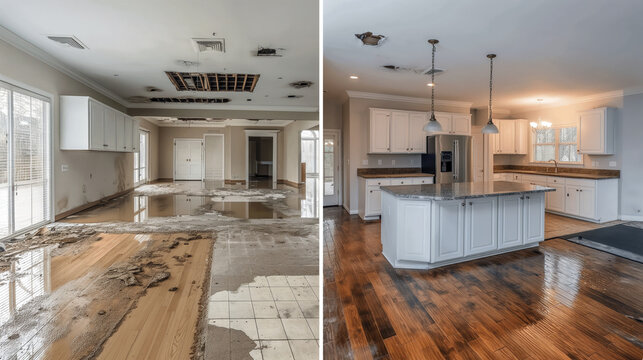
Water damage is a two-part problem. The first part is the water itself — the visible puddle, the soaked carpet, the dripping ceiling. The second part is what happens after the water is gone. Because moisture lingers inside drywall, subflooring, and framing, damage can continue spreading for weeks. If the structure isn’t properly dried and repaired, mold growth can begin within 24 to 48 hours. Pile’s Carpet Care & Restoration Service provides water damage restoration in Cecilia Kentucky and the surrounding Hardin County area to handle both parts of the problem.
Why Cecilia Kentucky Properties See Water Damage So Often
The local climate and housing conditions create specific risks for water intrusion.
Storm-Driven Rain and Flooding
Central Kentucky experiences intense spring and summer storms. Because rainfall can exceed what the ground absorbs, water finds its way into basements and crawl spaces. As a result, sump pumps that run constantly during wet seasons can fail under the strain.
Freeze-Thaw Cycles in Winter
Winter temperatures in Cecilia Kentucky often drop below freezing overnight. Because pipes in unheated areas are vulnerable to freezing, they can burst when temperatures rise again. Consequently, homeowners often discover the damage only after the thaw begins.
Aging Plumbing Systems
Many homes in the area have older plumbing components that are past their expected lifespan. Therefore, corrosion and joint failures become more likely with each passing year. When they fail, the water release is immediate.
High Water Table in Some Areas
Parts of Hardin County sit on a higher water table, which means groundwater can rise closer to foundations during wet periods. Because of that, moisture can seep through cracks and foundation walls even without a plumbing failure.
How Water Damage Restoration Differs From Cleanup
The two terms are related, but they describe different parts of the process.
Water Damage Cleanup
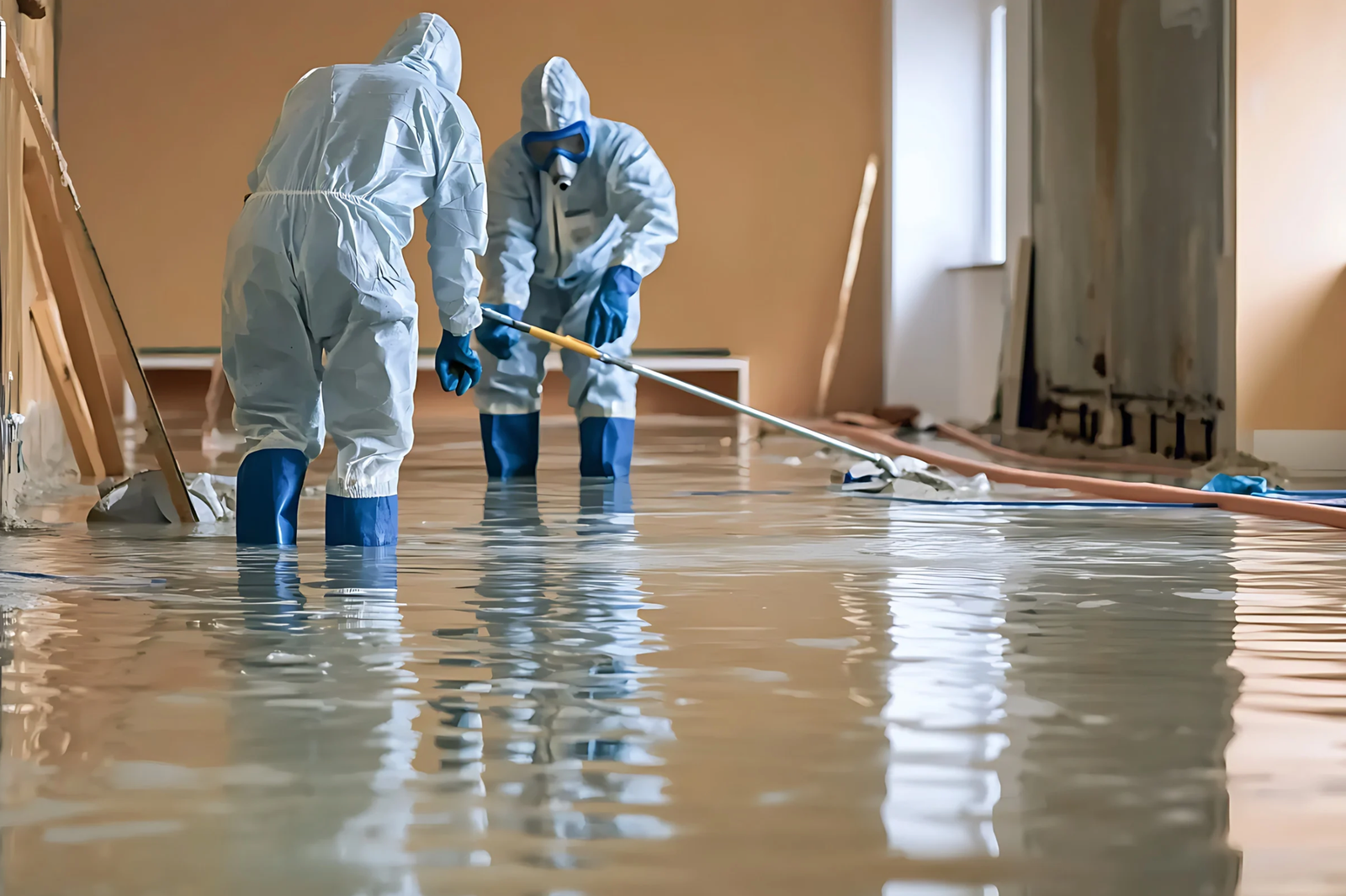
Cleanup focuses on removing standing water, extracting moisture from materials, and drying the affected area. Because it addresses the immediate problem, cleanup is the first step after any water event.
Water Damage Restoration
Restoration goes further. Because it involves repairing or replacing materials that were damaged, restoration is the broader scope of work. For the initial water removal and drying phase, our water damage cleanup team handles that.
What the Restoration Process Involves
Restoration follows a sequence designed to stop damage, dry the structure, and return the property to its original condition.
Inspection and Damage Assessment
The first step is identifying how far the water has spread. Because moisture travels through materials, the assessment includes checking behind walls, under flooring, and inside cabinets.
Water Removal
Standing water is pumped and vacuumed from floors and carpets. Because professional equipment removes water quickly, the time materials stay saturated is reduced. For urgent water removal, our emergency water extraction team responds quickly.
Structural Drying
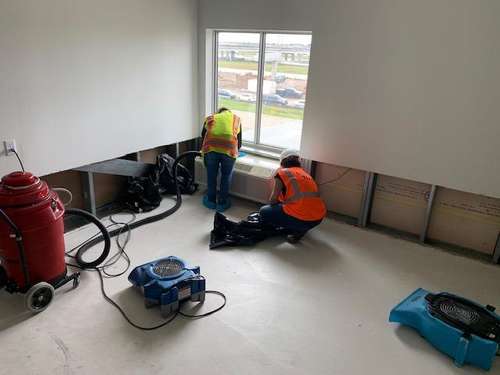
Air movers and dehumidifiers are positioned to circulate air and pull moisture from building materials. Because drying takes several days, monitoring is required throughout the process.
Cleaning and Sanitizing
After drying, affected surfaces are cleaned and treated. Because contaminated water can leave bacteria behind, sanitizing is important for health and safety.
Repairs and Replacement
Materials that can’t be salvaged are removed and replaced. Because drywall, insulation, and flooring often need replacement after significant water damage, this step restores the property to its original condition. If mold has already developed, our mold remediation team can address it before repairs begin.
When Restoration Is Necessary
Not every water event requires full restoration. However, certain situations demand it.
-
Burst pipes or supply line failures — These release water continuously until shut off.
-
Sewage backups — Contaminated water requires specialized handling and disinfection.
-
Storm flooding or sump pump failure — These can introduce large volumes of water into basements and crawl spaces.
-
Water heater tank ruptures — A failed tank can release 40 to 80 gallons instantly.
-
Long-running appliance leaks — Dishwashers and washing machines can release water slowly over time.
If you are unsure whether restoration is needed, call us. We can help you assess the situation.
What to Do While Waiting for Help
Your actions in the first few minutes make a difference in the extent of the damage.
Shut Off the Water
If the source is a plumbing failure, locate the main shut-off valve and close it. Typically, this valve sits near the water meter or where the main line enters the house.
Turn Off Electricity to Affected Areas
If water is near outlets or appliances, do not enter the area. Instead, call an electrician or the utility company to shut off power to that section of the home.
Document the Damage
Take photos and videos of the affected areas before anything is moved. Because insurance claims require documentation, this step is essential.
Move Valuables and Furniture
If it is safe, move furniture and valuables away from the wet area. Place aluminum foil or plastic wrap under furniture legs that cannot be moved.
Do Not Use a Standard Vacuum
A household vacuum is not designed for water and can create an electrical hazard. Therefore, wait for professional equipment.
Preventing Future Water Damage
Restoration fixes the current problem. However, prevention keeps it from happening again.
Maintain Your Plumbing
Fixing small leaks promptly reduces the risk of larger failures. Because slow leaks often go unnoticed, periodic checks of supply lines under sinks and around appliances help.
Address Roof and Gutter Issues
Clogged gutters push water against the roof and foundation. Because that water can find its way inside, keeping gutters clear and checking roof condition after storms helps.
Consider a Sump Pump
Homes with basements or crawl spaces benefit from a working sump pump. Because it removes water that collects below the foundation, it reduces the risk of flooding during heavy rain.
Manage Humidity Indoors
Keeping indoor humidity lower makes it harder for moisture to settle in materials. Because Cecilia Kentucky summers are humid, using air conditioning and dehumidifiers helps.
Related Restoration Services
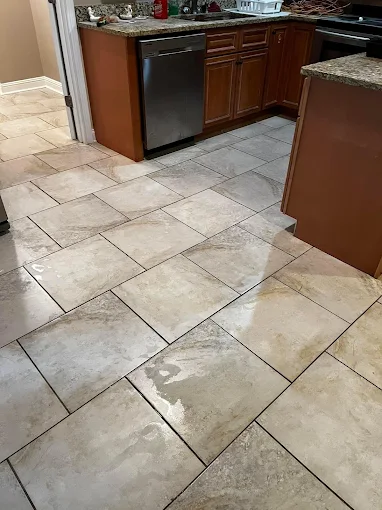
Water damage restoration often pairs with other services. If the water event was severe, our emergency water extraction team can respond quickly. For the initial cleanup phase, our water damage cleanup service covers that. If mold has started growing in the affected area, our mold remediation team addresses it. For carpets that were affected, our carpet cleaning team can restore them after drying. If rugs were saturated, our area rug cleaning team can assess and treat them. For upholstered furniture that was exposed, our upholstery cleaning service can help. If pet accidents contributed to the moisture problem, our pet stain removal and pet odor removal services address those at the same time. For tile floors that need cleaning after a water event, our tile and grout cleaning team can help. If the odor has spread into the ductwork, our air duct cleaning service can address it.
Questions About Water Damage Restoration in Cecilia Kentucky
How quickly should restoration begin after water damage?
Restoration should begin within 24 to 48 hours. Because mold can start growing in that window, prompt action limits both damage and remediation costs.
What is the difference between cleanup and restoration?
Cleanup removes water and dries the affected area. Restoration covers the full scope, including repairs, mold prevention, and material replacement. Our water damage cleanup service handles the initial phase.
Is water damage restoration covered by homeowners insurance?
Most policies cover sudden and accidental water damage, including burst pipes and appliance failures. However, coverage varies by policy. Because documentation supports your claim, keep records of everything.
Can you restore carpets and rugs after water damage?
In many cases, carpet and rugs can be saved if drying begins quickly. Because mold can develop within 24 to 48 hours, time is critical. Our carpet cleaning and area rug cleaning teams can assess whether they can be restored.
Do you handle mold growth after water damage?
Yes. Because mold often develops after a water event, our mold remediation team addresses the growth and the moisture conditions that caused it.
How long does restoration take?
The timeline depends on the extent of the damage. Small jobs may take a few days. Larger projects involving structural repairs can take weeks.
Can you also clean upholstery and tile after water damage?
Yes. Because water damage affects multiple surfaces, our upholstery cleaning and tile and grout cleaning teams can address those items.
Schedule Your Water Damage Restoration Today
Experience the Pile’s Carpet Care & Restoration Service difference for your water damage restoration needs. From emergency water extraction to complete property restoration and mold remediation, our team delivers the expertise and results you need.
Contact us today to schedule your appointment. Whether you need Carpet Cleaning, Upholstery Cleaning, or Air Duct Cleaning, we’re here to help.
Call us or book online to experience professional water damage restoration backed by expertise, reliability, and long-term satisfaction.